![Cloud Service Provider (CSP) Complete Guide: Definition, Comparison, Selection Strategy [2025]](/images/blog/cloud-service-provider-guide-cover.webp)
Cloud Service Provider (CSP) Complete Guide: Definition, Comparison, Selection Strategy [2025]
- Introduction: Why You Need to Understand Cloud Service Providers
- What is a Cloud Service Provider (CSP)?
- CSP Definition and Full Name
- The Role and Importance of Cloud Service Providers
- CSP Development History
- What Cloud Service Providers Are Available? Global Major CSP Introduction
- The Three International Cloud Giants
- Important Asia-Pacific Cloud Providers
- Taiwan Local Cloud Service Providers
- Taiwan Cloud Service Provider Market Analysis
- Current State of Taiwan Enterprise Cloud Service Usage
- Local CSP vs International CSP Selection Considerations
- Data Sovereignty and Localization Requirements
- Cloud Service Provider Selection Guide
- Key Considerations for Choosing a CSP
- CSP Recommendations by Enterprise Type
- Need Professional Assistance?
- How CloudSwap Can Help
- Cloud Provider Selection Giving You Headaches?
- Cloud Service Provider Service Type Analysis
- IaaS (Infrastructure as a Service)
- PaaS (Platform as a Service)
- SaaS (Software as a Service)
- Risks and Considerations When Using Cloud Services
- Data Security Threats
- Vendor Lock-in
- Compliance and Regulatory Risks
- Cost Control Risks
- Cloud Service Provider Cost Comparison
- Major CSP Pricing Models
- Hidden Cost Analysis
- Cost Optimization Tips
- Cloud Service Market Trends and Outlook
- Global Cloud Market Size
- Taiwan Cloud Market Development
- Future Trend Predictions
- CSP Concept Stock Investment Analysis
- What are CSP Concept Stocks?
- Taiwan CSP Related Concept Stocks Introduction
- FAQ
- What is a Cloud Service Provider (CSP)?
- What is the full name of CSP?
- What Cloud Service Providers are available?
- What Cloud Service Providers are in Taiwan?
- How to Choose the Right Cloud Service Provider?
- How to Choose Between AWS, GCP, and Azure?
- What Threats Should Be Noted Before Using Cloud Services?
- What are CSP Concept Stocks?
- Next Steps: Start Your Cloud Journey
- But if you...
- CloudSwap Can Help
- Further Reading
- Platform Comparison
- Costs
- Security and Risks
- Service Models
- Investment Analysis
- References
- Need Professional Cloud Advice?
Cloud Service Provider (CSP) Complete Guide: Definition, Comparison, Selection Strategy [2025]
Introduction: Why You Need to Understand Cloud Service Providers
💡 Key Takeaway: Your company is evaluating cloud adoption, but facing names like AWS, GCP, Azure, you have no idea where to start.
Even more frustrating, every sales rep claims their solution is the best, and pricing is impossible to understand.
This article will use the simplest approach to help you understand what Cloud Service Providers (CSPs) are, the major vendors, and how to choose the best solution for you. Whether you're an enterprise IT executive, technical decision-maker, or someone new to cloud computing, you'll be able to make smarter decisions after reading this.
 Illustration 1: Enterprise Team Discussing Cloud Selection Options
What is a Cloud Service Provider (CSP)?
CSP Definition and Full Name
CSP stands for Cloud Service Provider, which in Chinese translates to "雲端服務供應商."
Simply put, a CSP is a company that provides cloud computing services. They own massive amounts of servers, storage equipment, and network infrastructure, allowing enterprises to "rent" these resources instead of buying hardware and building data centers themselves.
It's like renting an apartment: you don't need to buy a house, just pay rent to use it. Cloud services work the same way—you don't need to buy servers, just pay usage fees to get computing resources.
The Role and Importance of Cloud Service Providers
CSPs play an increasingly critical role in modern enterprises:
- Infrastructure Provider: Provides servers, storage, networking, and other foundational resources
- Platform Service Provider: Offers databases, containers, AI, and other advanced services
- Software Service Provider: Provides ready-to-use software like email and collaboration tools
According to Gartner statistics, the global cloud services market reached $591 billion in 2024 and is expected to exceed $700 billion in 2025.
What does this mean? More and more enterprises are moving their IT infrastructure to the cloud.
CSP Development History
The concept of cloud computing can be traced back to the 1960s, but real commercialization started in 2006:
| Year | Milestone Event |
|---|---|
| 2006 | AWS launches S3 and EC2, opening the public cloud era |
| 2008 | Google launches App Engine |
| 2010 | Microsoft Azure officially goes live |
| 2011 | Alibaba Cloud begins offering external services |
| 2014 | Google Cloud Platform brand established |
| 2020 | COVID-19 accelerates enterprise cloud adoption |
| 2023 | Generative AI drives cloud demand explosion |
In just over a decade, cloud has evolved from emerging technology to enterprise standard.
What Cloud Service Providers Are Available? Global Major CSP Introduction
The Three International Cloud Giants
The global cloud market is dominated by three giants, with combined market share over 65%:
Amazon Web Services (AWS)
AWS is the world's highest market share cloud service provider, accounting for about 31% of the market.
Core Advantages:
- Most comprehensive service offerings (over 200 services)
- Most complete global infrastructure (33 regions)
- Largest developer community
- Rich enterprise customer experience
Best For: Large enterprises, companies needing rich service selection
Taiwan Presence: Established a Local Zone in Taiwan in 2025
Microsoft Azure
Azure is the second-largest global CSP, with about 24% market share.
Core Advantages:
- Seamless integration with Microsoft 365, Windows Server
- Deep enterprise customer relationships
- Mature hybrid cloud solutions
- Convenient Active Directory integration
Best For: Enterprises already using Microsoft products, financial industry, government agencies
Taiwan Presence: Taiwan data center region officially launched in 2024
Google Cloud Platform (GCP)
GCP has about 11% market share, but is growing fastest.
Core Advantages:
- Strongest big data and machine learning capabilities
- Industry-leading network performance
- Native Kubernetes support (K8s developed by Google)
- Highly competitive pricing
Best For: Startups, AI/ML-focused enterprises, cost-conscious organizations
Taiwan Presence: Changhua data center launched in 2020
Want to understand the differences between the three major platforms in depth? See AWS vs GCP vs Azure Complete Comparison: Features, Pricing, Pros & Cons
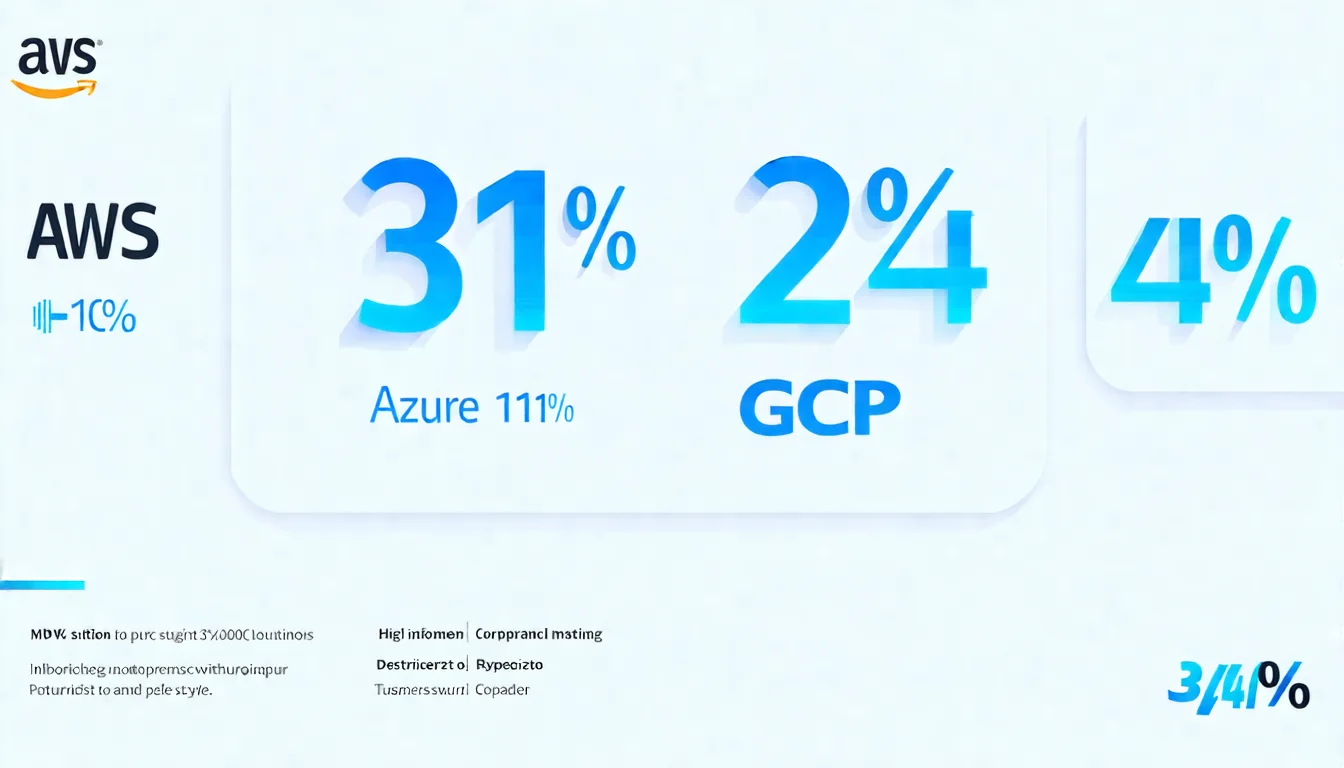 Illustration 2: Global Three Major Cloud Provider Market Share Comparison Chart
Important Asia-Pacific Cloud Providers
Besides the three giants, there are several important CSPs in Asia-Pacific:
Alibaba Cloud
Alibaba Cloud is China's largest and the world's fourth-largest cloud service provider.
Advantages:
- Over 30% market share in China
- Many Asia-Pacific locations, low latency
- Relatively affordable pricing
- Complete Chinese support
Disadvantages:
- Fewer services in European and American markets
- Some enterprises have security concerns
- Fewer international certifications
Best For: Enterprises with China market business, cost-sensitive Asia-Pacific companies
Want to learn more about Alibaba Cloud? See Alibaba Cloud Complete Guide
Tencent Cloud
Tencent Cloud is China's second-largest CSP, with unique advantages in gaming and social sectors.
Advantages:
- Mature gaming and social cloud services
- Integration with WeChat ecosystem
- Complete Asia-Pacific presence
Best For: Gaming companies, enterprises with WeChat Mini Program needs
Other International CSPs
| Provider | Market Share | Features |
|---|---|---|
| Oracle Cloud | 3% | Database strength, ERP integration |
| IBM Cloud | 2% | Enterprise AI, hybrid cloud |
| Salesforce | - | SaaS focused on CRM |
| DigitalOcean | - | Developer-friendly, affordable pricing |
Taiwan Local Cloud Service Providers
Taiwan also has local cloud service providers, particularly suitable for enterprises with data sovereignty requirements.
Chunghwa Telecom HiCloud
Chunghwa Telecom is Taiwan's largest telecom operator, also providing cloud services.
Advantages:
- Data centers 100% in Taiwan
- Rich government contract experience
- Complete Chinese technical support
- Compliant with Taiwan regulations
Disadvantages:
- Fewer service types than international CSPs
- Limited international expansion
- Slower innovation pace
Best For: Government agencies, financial industry, data sovereignty-sensitive enterprises
Far EasTone Cloud Services
Far EasTone partners with AWS and Azure, providing integrated services.
Features:
- Agent for international cloud services
- Localized support
- Convenient billing integration
Other Local Providers
- Taiwan Mobile Enterprise Cloud: Telecom-grade data center, 5G integration
- Chief Telecom: IDC services focused, enterprise hosting
- Systex: Cloud agency and system integration
Want to learn more about Taiwan CSP selection? See Taiwan Cloud Service Providers Complete Comparison
Taiwan Cloud Service Provider Market Analysis
Current State of Taiwan Enterprise Cloud Service Usage
According to III 2024 survey:
- 76% of Taiwan enterprises have adopted cloud services
- 45% use multi-cloud strategy
- 32% prioritize hybrid cloud
Industries with highest usage rates:
- Financial industry (89%)
- Retail e-commerce (85%)
- Manufacturing (72%)
- Healthcare (65%)
Local CSP vs International CSP Selection Considerations
| Consideration | Local CSP | International CSP |
|---|---|---|
| Data Sovereignty | ★★★★★ | ★★★☆☆ |
| Service Variety | ★★☆☆☆ | ★★★★★ |
| Technical Support | ★★★★☆ | ★★★☆☆ |
| Price Competitiveness | ★★★☆☆ | ★★★★☆ |
| International Expansion | ★☆☆☆☆ | ★★★★★ |
| Regulatory Compliance | ★★★★★ | ★★★☆☆ |
Data Sovereignty and Localization Requirements
For the following industries, data must remain in Taiwan:
- Financial industry: FSC requires core system data within borders
- Government agencies: Government information security regulations
- Healthcare: Personal Data Protection Act and medical regulations
These industries typically choose:
- Taiwan local CSP
- International CSPs with Taiwan data centers (like GCP Changhua, Azure Taiwan)
- Private cloud or hybrid cloud architecture
Cloud Service Provider Selection Guide
Key Considerations for Choosing a CSP
When selecting a cloud provider, we recommend evaluating from these 7 dimensions:
1. Service Requirements Match
- What services do you need? (Compute, storage, database, AI?)
- Which CSP is strongest in these services?
2. Geographic Location
- Where are your users?
- Does the CSP have data centers in that region?
- Does latency meet requirements?
3. Pricing and Billing
- What's the estimated monthly cost?
- Which billing model is most cost-effective?
- Are there hidden costs?
4. Technical Support
- Is there local language support?
- Support level and response time?
- Are there local partners?
5. Security and Compliance
- What security certifications? (ISO 27001, SOC 2, etc.)
- Does it comply with your industry regulations?
- How is data encryption and privacy protection?
6. Migration Difficulty
- Is migrating existing systems complex?
- Are there migration tools and support?
- Is vendor lock-in easy?
7. Ecosystem
- Are third-party integrations rich?
- Is the technical community active?
- Is talent easy to find?
CSP Recommendations by Enterprise Type
| Enterprise Type | Recommended CSP | Reason |
|---|---|---|
| Startup | GCP, AWS | More free credits, high flexibility |
| SMB | Azure, GCP | Good value, easy to get started |
| Large Enterprise | AWS, Azure | Complete services, enterprise support |
| Financial Industry | Azure, Local CSP | Compliance support, local service |
| Manufacturing | AWS, Azure | Mature IoT and edge computing |
| E-commerce | AWS, GCP | Elastic scaling, global deployment |
| AI/ML Company | GCP, AWS | Leading ML services |
| China Business | Alibaba Cloud | Local China services |
Need Professional Assistance?
According to Gartner research, enterprises can save an average of 30% on cloud spending through professional cloud consultants.
How CloudSwap Can Help
- Multi-cloud Platform Evaluation: Compare AWS, GCP, Azure, Alibaba Cloud at once
- Cost Optimization Analysis: Find waste in your bills
- Architecture Design Consulting: Build high-availability, low-cost cloud architecture
- Security Assessment Services: Comply with ISO 27001 and OWASP standards
Cloud Provider Selection Giving You Headaches?
AWS, GCP, Azure each have advantages—the key is finding what's best for you. We can objectively analyze your needs and give neutral advice—we won't recommend a specific platform for commission.
👉 Book Free Consultation - Let Experts Help Find the Best Cloud Solution for You
Cloud Service Provider Service Type Analysis
CSP services can be divided into three major categories:
IaaS (Infrastructure as a Service)
Definition: Provides virtualized infrastructure resources, including compute, storage, networking.
Common Services:
- AWS EC2, Azure Virtual Machines, GCP Compute Engine
- Virtual machines, block storage, virtual networks
Best For: Teams needing complete control over environment, migrating existing applications
You're Responsible For: Operating system, middleware, applications, data
PaaS (Platform as a Service)
Definition: Provides a platform for developing and deploying applications without managing underlying infrastructure.
Common Services:
- AWS Elastic Beanstalk, Azure App Service, GCP App Engine
- Container services, serverless computing, database services
Best For: Development teams, rapid prototyping, code-focused companies
You're Responsible For: Applications, data
SaaS (Software as a Service)
Definition: Ready-to-use software delivered over the internet, users don't need to install or maintain anything.
Common Services:
- Microsoft 365, Google Workspace, Salesforce
- Email, CRM, collaboration tools
Best For: Everyone! General enterprise users, non-technical teams
You're Responsible For: User accounts, data
Want to learn more about these three models? See What are IaaS, PaaS, SaaS? Cloud Service Model Complete Guide
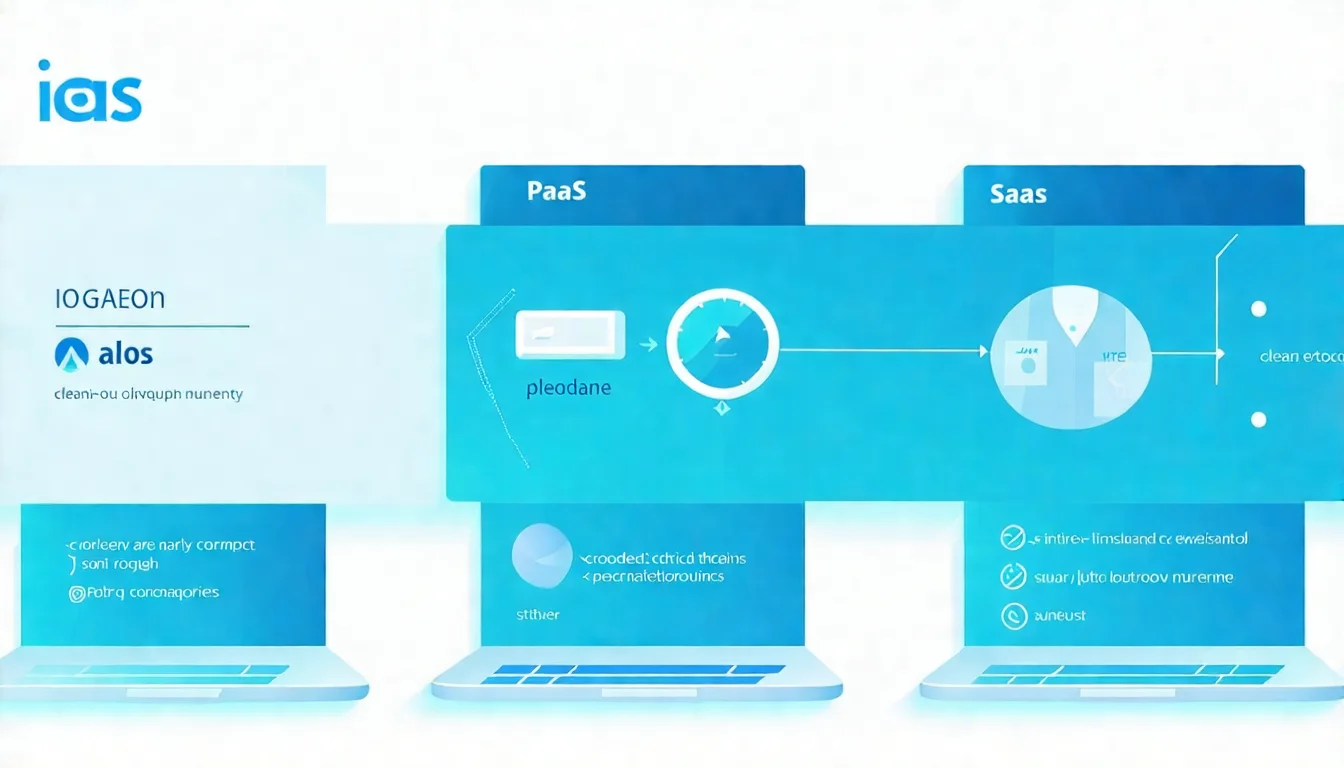 Illustration 3: Cloud Service Model Responsibility Boundary Chart
Risks and Considerations When Using Cloud Services
While cloud services are convenient, there are risks. Be sure to understand before going to cloud:
Data Security Threats
- Data Breach: Misconfiguration may expose data publicly
- Account Hijacking: Weak passwords or no MFA can lead to intrusion
- Insider Threats: Employee misconduct or malicious behavior
Prevention Tips: Enable multi-factor authentication, principle of least privilege, regular audits
Vendor Lock-in
After using a CSP's proprietary services, migrating to other platforms becomes difficult and expensive.
Examples:
- Applications developed with AWS Lambda need rewriting to move to GCP
- Dependence on specific CSP database formats may have export limitations
Prevention Tips: Use open standards, containerize applications, design multi-cloud architecture
Compliance and Regulatory Risks
- Cross-border data transfer may violate privacy regulations
- Specific industries have data localization requirements
- Compliance documentation needed during audits
Prevention Tips: Confirm CSP's certifications and compliance capabilities, understand data storage locations
Cost Control Risks
Cloud's "pay for what you use" is flexible, but easy to overspend.
Common Causes:
- Forgetting to shut down test environments
- Not setting budget alerts
- Wrong specifications (over-provisioning)
- Data transfer fees explosion
Prevention Tips: Set cost alerts, regularly review bills, use reserved instances
Want to learn more about cloud security? See 7 Security Threats and Prevention Strategies Before Using Cloud Services
Cloud Service Provider Cost Comparison
Major CSP Pricing Models
| Billing Model | Description | Best For |
|---|---|---|
| On-Demand | Pay for what you use, billed hourly/per-second | Short-term projects, unstable traffic |
| Reserved Instances | Prepay 1-3 years, 30-72% discount | Long-term stable workloads |
| Spot Instances | Use idle resources, cheapest but may be interrupted | Interruptible batch processing |
Hidden Cost Analysis
Many enterprises find bills higher than expected after going to cloud. Usually these "hidden costs":
- Data Egress Fees: Transferring data from cloud to internet is charged
- API Call Fees: Some services charge by call count
- Cross-Region Traffic: Data transfer between regions
- Snapshots and Backups: Storing snapshots also incurs costs
- Support Plans: Enterprise-level technical support charged separately
Cost Optimization Tips
- Right-size: Don't over-provision, start small then scale
- Use Reserved Instances: Save 30%+ for stable workloads
- Clean Up Idle Resources: Regularly check and delete unused resources
- Set Budget Alerts: Immediate notification when exceeding budget
- Use Cost Management Tools: AWS Cost Explorer, GCP Cost Management
Want to learn more about cost optimization? See Cloud Service Pricing Complete Guide: Three Major CSP Pricing Comparison and Cost-Saving Tips
Cloud Service Market Trends and Outlook
Global Cloud Market Size
- 2024 Market Size: $591 billion
- 2025 Estimate: $701 billion (18.5% growth)
- 2028 Estimate: $1 trillion
Growth Drivers:
- Generative AI demand explosion
- Continued acceleration of digital transformation
- Proliferation of hybrid cloud and multi-cloud strategies
Taiwan Cloud Market Development
Taiwan's cloud market is also growing rapidly:
- 2024 Market Size: About NT$50 billion
- Annual Growth Rate: 15-20%
- Main Growth Drivers: Financial cloud adoption, smart manufacturing
All three major international CSPs have established data centers in Taiwan:
- GCP: 2020 Changhua
- Azure: 2024 Taiwan region
- AWS: 2025 Local Zone
This means Taiwan enterprises can enjoy international CSP services while meeting data localization requirements.
Future Trend Predictions
1. AI as a Service (AIaaS) Explosion
- Generative AI driving cloud compute demand
- AI model training and inference services growing
- GPU cloud rental demand surging
2. Multi-Cloud and Hybrid Cloud Becoming Mainstream
- Enterprises avoiding single vendor lock-in
- Critical systems may remain in private cloud
- Growing demand for multi-cloud management tools
3. Edge Computing Rising
- 5G driving low-latency requirements
- IoT device data processing nearby
- CSPs expanding edge nodes
4. Sustainability Pressure
- Data center carbon footprint under scrutiny
- CSPs committing to carbon neutrality
- Green cloud becoming selection factor
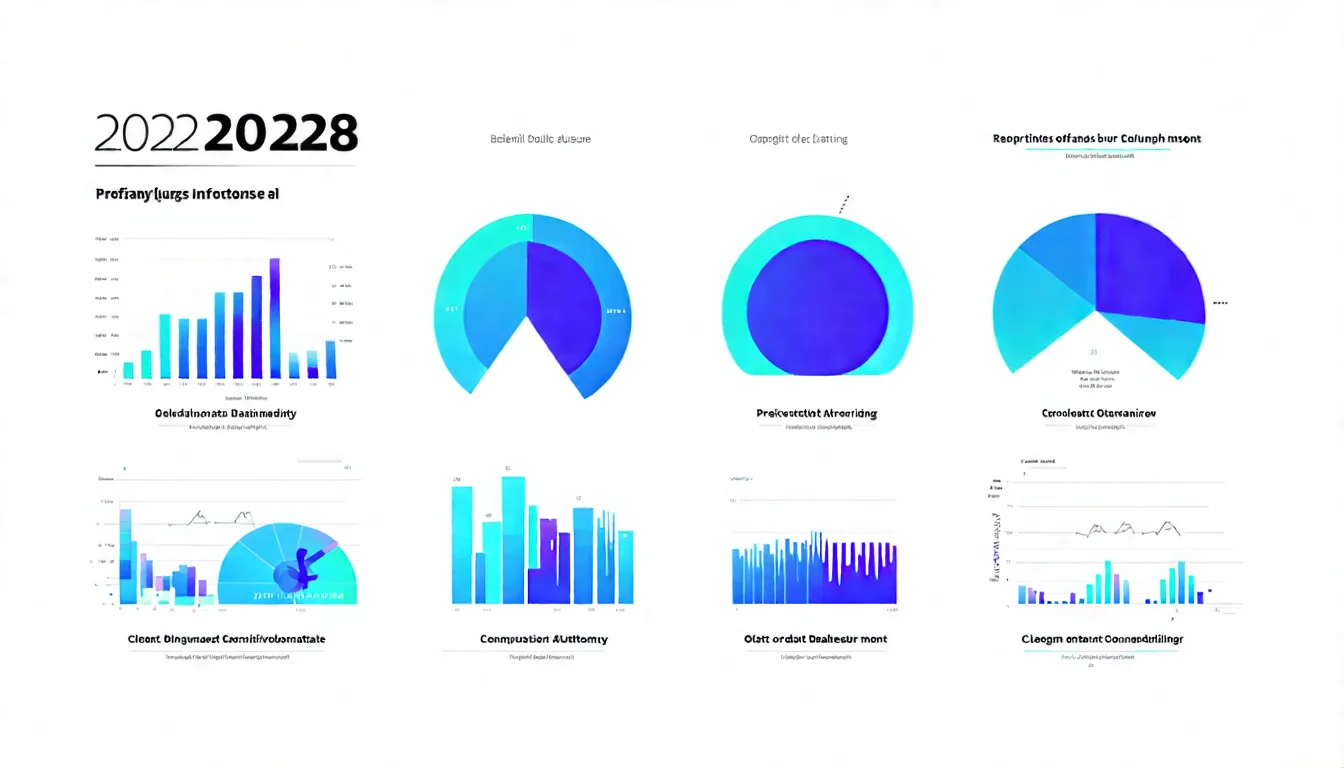 Illustration 4: Cloud Market Growth Trend Chart
CSP Concept Stock Investment Analysis
What are CSP Concept Stocks?
CSP concept stocks are stocks related to the cloud service provider industry chain, including:
- Upstream: Servers, chips, cooling equipment
- Midstream: Data centers, networking equipment
- Downstream: Cloud services, software platforms
Taiwan CSP Related Concept Stocks Introduction
Taiwan plays an important role in the global cloud supply chain:
| Category | Representative Companies | Description |
|---|---|---|
| Server OEM | Quanta, Wistron, Wiwynn | AI server demand surging |
| Networking Equipment | Accton, Sercomm, WNC | Data center networking |
| Cooling | Auras, AVC | AI server cooling demand |
| Power | Delta, Lite-On | Data center power equipment |
| Cloud Services | Chief Telecom, Systex | Local cloud and IDC |
Want to learn more about investment opportunities? See What are CSP Concept Stocks? Taiwan Cloud Concept Stock Investment Complete Guide
Note: Investing involves risk. This article is for information only and does not constitute investment advice.
FAQ
What is a Cloud Service Provider (CSP)?
A Cloud Service Provider (CSP) is a company that provides cloud computing services, allowing enterprises to rent computing, storage, networking, and other IT resources without buying and maintaining their own hardware equipment.
What is the full name of CSP?
The full name of CSP is Cloud Service Provider, directly translated as "cloud service provider" or "雲端服務供應商" in Chinese.
What Cloud Service Providers are available?
Major global cloud service providers include:
- International Three: AWS, Microsoft Azure, Google Cloud Platform (GCP)
- Asia-Pacific: Alibaba Cloud, Tencent Cloud
- Others: Oracle Cloud, IBM Cloud, DigitalOcean
- Taiwan Local: Chunghwa Telecom HiCloud, Far EasTone Cloud, Chief Telecom
What Cloud Service Providers are in Taiwan?
Taiwan's main local cloud service providers include:
- Chunghwa Telecom HiCloud
- Far EasTone Cloud Services
- Taiwan Mobile Enterprise Cloud
- Chief Telecom
- Systex
Additionally, AWS, Azure, and GCP have all established data centers in Taiwan, providing localized services.
How to Choose the Right Cloud Service Provider?
When selecting a CSP, consider:
- Service Requirements: What cloud services do you need?
- Geographic Location: Where are data centers?
- Pricing: What's the total cost of ownership (TCO)?
- Compliance: Does it meet industry regulatory requirements?
- Technical Support: Is there local language support and service?
- Ecosystem: Are talent and third-party integrations abundant?
How to Choose Between AWS, GCP, and Azure?
Simple selection principles:
- AWS: Most complete services, suitable for large enterprises or those needing rich functionality
- Azure: Best Microsoft ecosystem integration, suitable for enterprises already using M365
- GCP: Strongest AI/ML and big data, suitable for startups or tech-oriented companies
Of course, the best approach is to evaluate based on actual needs, or seek professional consultant assistance.
What Threats Should Be Noted Before Using Cloud Services?
Main threats include:
- Data Breach: Misconfiguration exposing data
- Account Hijacking: Stolen passwords or social engineering attacks
- Vendor Lock-in: Difficulty migrating to other platforms
- Cost Overrun: Bills exceeding expectations
- Compliance Risks: Violating data protection regulations
We recommend conducting risk assessment before going to cloud and implementing corresponding protective measures.
What are CSP Concept Stocks?
CSP concept stocks are stocks related to the cloud service provider industry chain, including server manufacturers (like Quanta, Wistron), networking equipment makers (like Accton), and cooling equipment makers (like Auras). These companies' revenues are highly correlated with cloud industry development.
Next Steps: Start Your Cloud Journey
After reading this guide, you should have a basic understanding of cloud service providers.
Next, you can:
- Assess Current State: Inventory your current IT architecture and requirements
- Compare Platforms: Compare 2-3 CSPs based on requirements
- Trial Experience: Take advantage of free trial credits for actual testing
- Plan Architecture: Design cloud architecture that meets requirements
- Calculate Costs: Estimate TCO and set budget
But if you...
- Aren't sure which cloud provider to choose
- Want to optimize existing cloud architecture
- Need multi-cloud strategy planning
- Are concerned about cloud security and compliance
CloudSwap Can Help
We are professional consultants for multi-cloud platforms, familiar with major CSPs including AWS, GCP, Azure, and Alibaba Cloud. Whether you're:
- Going to cloud for the first time and need selection advice
- Already in the cloud and want to optimize costs
- Planning multi-cloud architecture and need design assistance
- Concerned about security and need professional assessment
We can provide professional, neutral advice.
Consultation is completely free, no sales pressure.
👉 Book Free Consultation - Let Us Help Analyze the Best Cloud Solution for You
We'll respond within 24 hours.
Further Reading
Want to learn more about cloud service providers? We recommend:
Platform Comparison
- AWS vs GCP vs Azure 2025 Complete Comparison: Features, Pricing, Pros & Cons
- Taiwan Cloud Service Providers Complete Comparison: Local vs International CSP - Which to Choose?
Costs
Security and Risks
Service Models
Investment Analysis
References
- Gartner, "Forecast: Public Cloud Services, Worldwide, 2022-2028" (2024)
- Synergy Research Group, "Q3 2024 Cloud Infrastructure Services Market Share"
- III MIC, "Taiwan Enterprise Cloud Service Adoption Survey" (2024)
- IDC, "Worldwide Semiannual Public Cloud Services Tracker" (2024)
- AWS, Azure, GCP official websites and pricing pages
- Taiwan FSC, "Regulations Governing Financial Institutions' Use of Cloud Services"
Need Professional Cloud Advice?
Whether you're evaluating cloud platforms, optimizing existing architecture, or looking for cost-saving solutions, we can help